
Louped: Scott Heileson
Meet Scott, known for putting together the definitive collector resources on French Navy (Marine Nationale, or ‘M.N.’) tool watches, he is part of our growing community shaping the future of watches on Collected.
What's your name, and how did you get into collecting watches?
My name is Scott Heileson. I got into collecting through a 1940s Rolex Oyster Royal I discovered at an estate sale about 15 years ago—it had an engraving on it identifying it as a gift to its owner during World War II, and I love that it was a wearable piece of history.
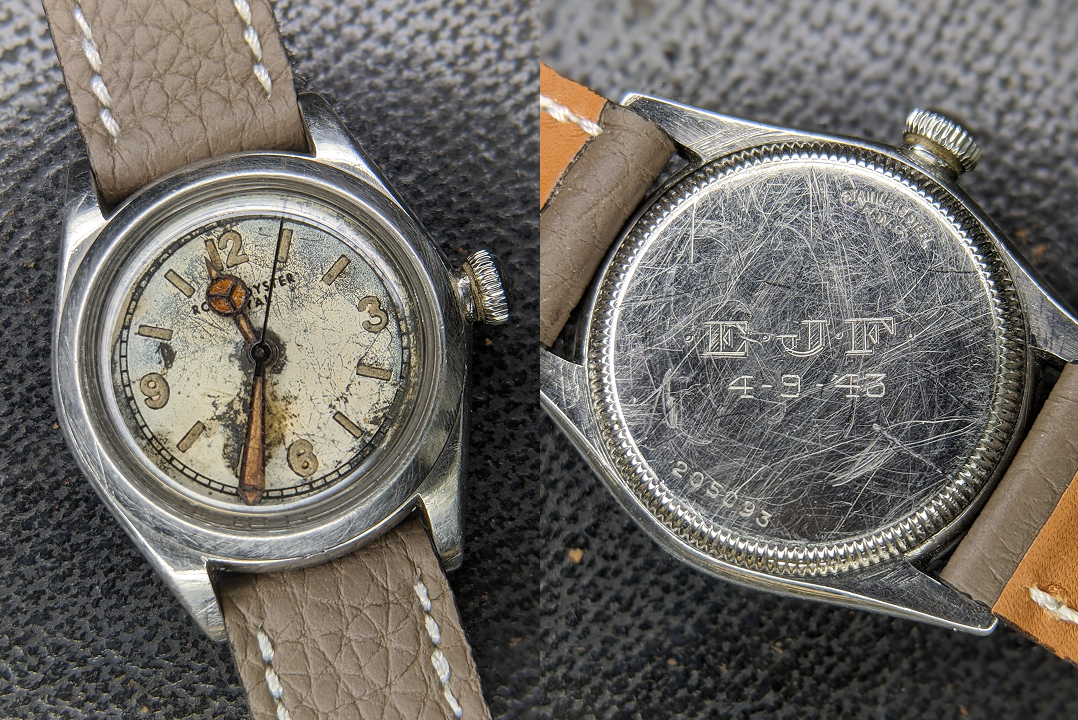
Rolex Oyster Royal 3121, circa 1940s. Belonged to Ernest J. Furtado, a WWII US Navy veteran.
What kinds of watches do you collect today, and how do you decide what stays in your collection?
Today, my primary focus is on French Navy (Marine Nationale) tool watches, but I also have a significant collection of vintage Eterna Kontiki watches. I decide what stays based on "feel"—as I add new watches or explore tangents, some pieces end up feeling like it’s time to move them on, having enjoyed them for a while in my own collection.
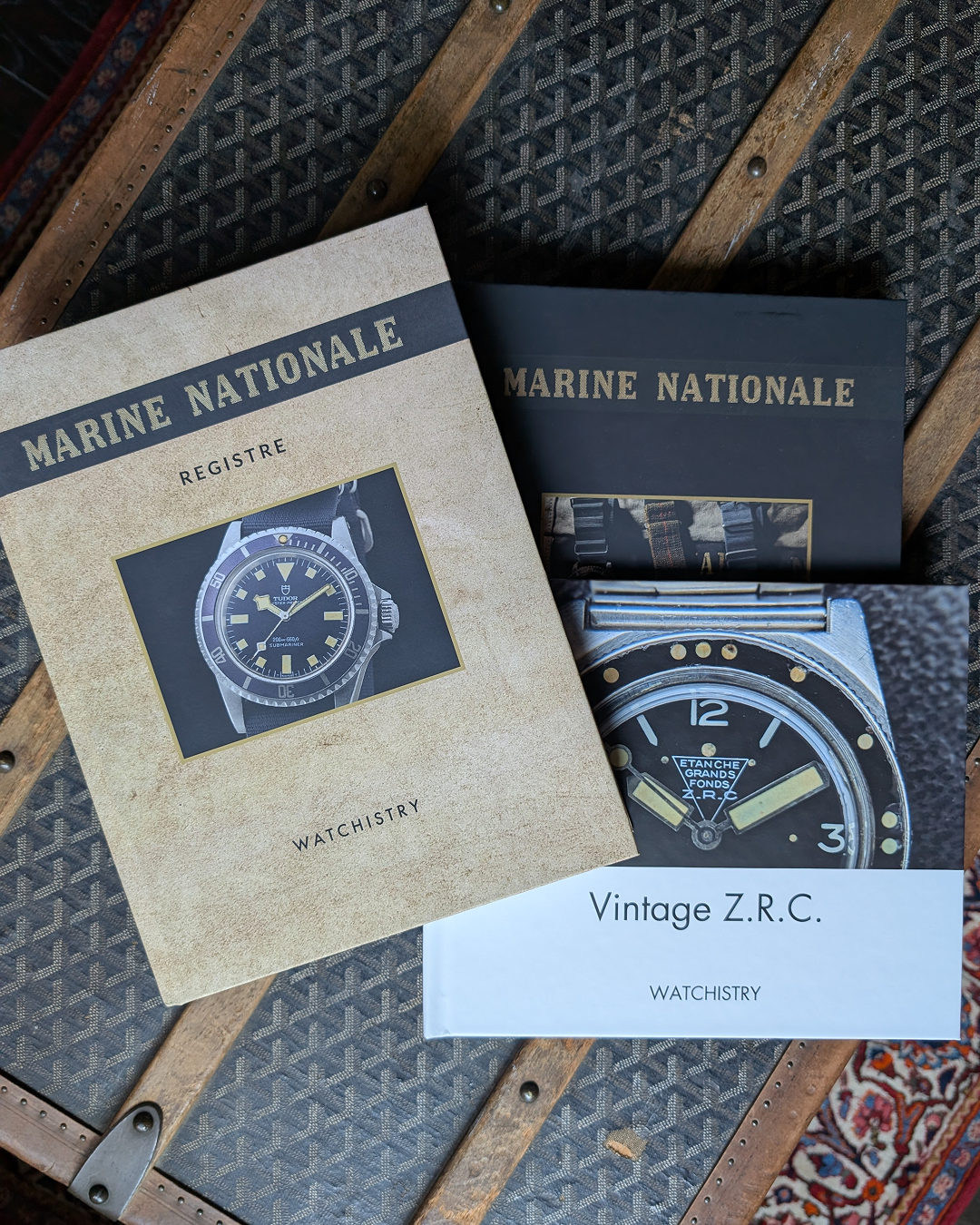
Scott’s books are the definitive collector resource for French Navy tool watches: Marine Nationale: Registre (2025), and Marine Nationale: Vintage Military Watches of the French Navy (2019)
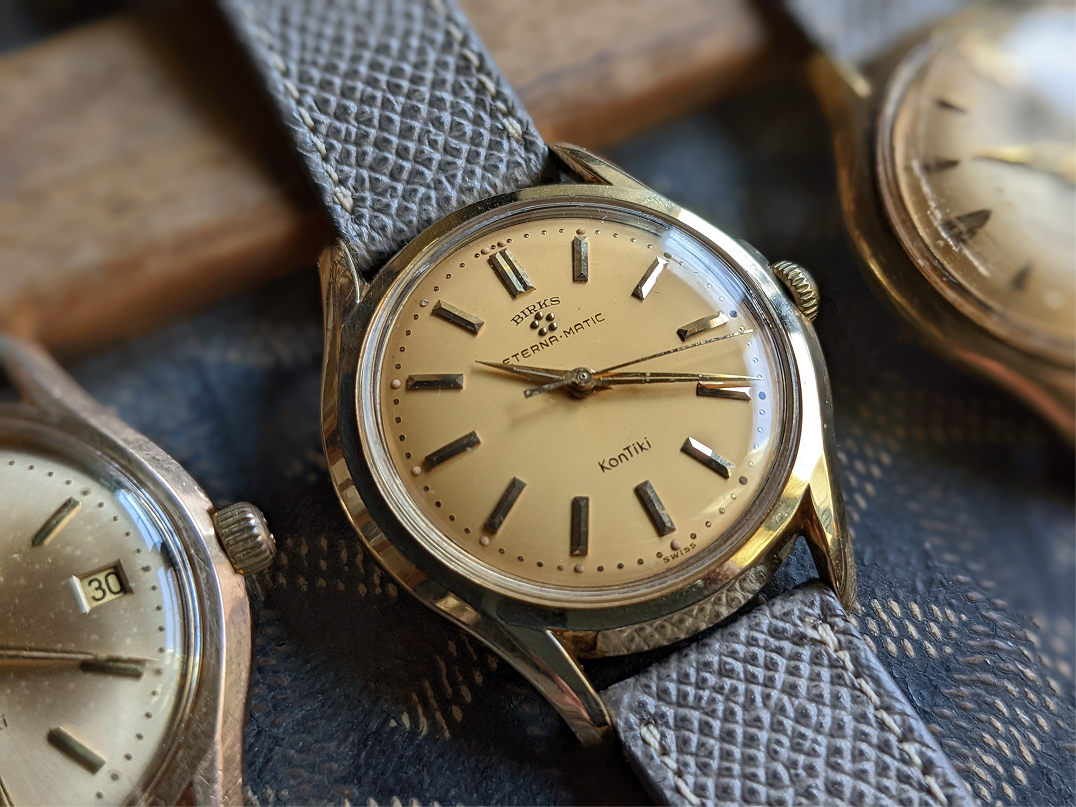
Birks signed Eterna Kontiki
For example, not long ago, I sold a Rolex Space-Dweller that was in my collection for a number of years—I loved it, but found that I was wearing it less than it deserved, so it was time to move it along. Another watch I recently sold was a Lemania 5012 issued to the South African Air Force—while I loved its unique chronograph dial and issued provenance, I came to realize that I just didn't enjoy its stout case shape. I guess you could say that I have explored many different watches that seemed interesting for one reason or another, but have more recently focused on my personal enjoyment factor.
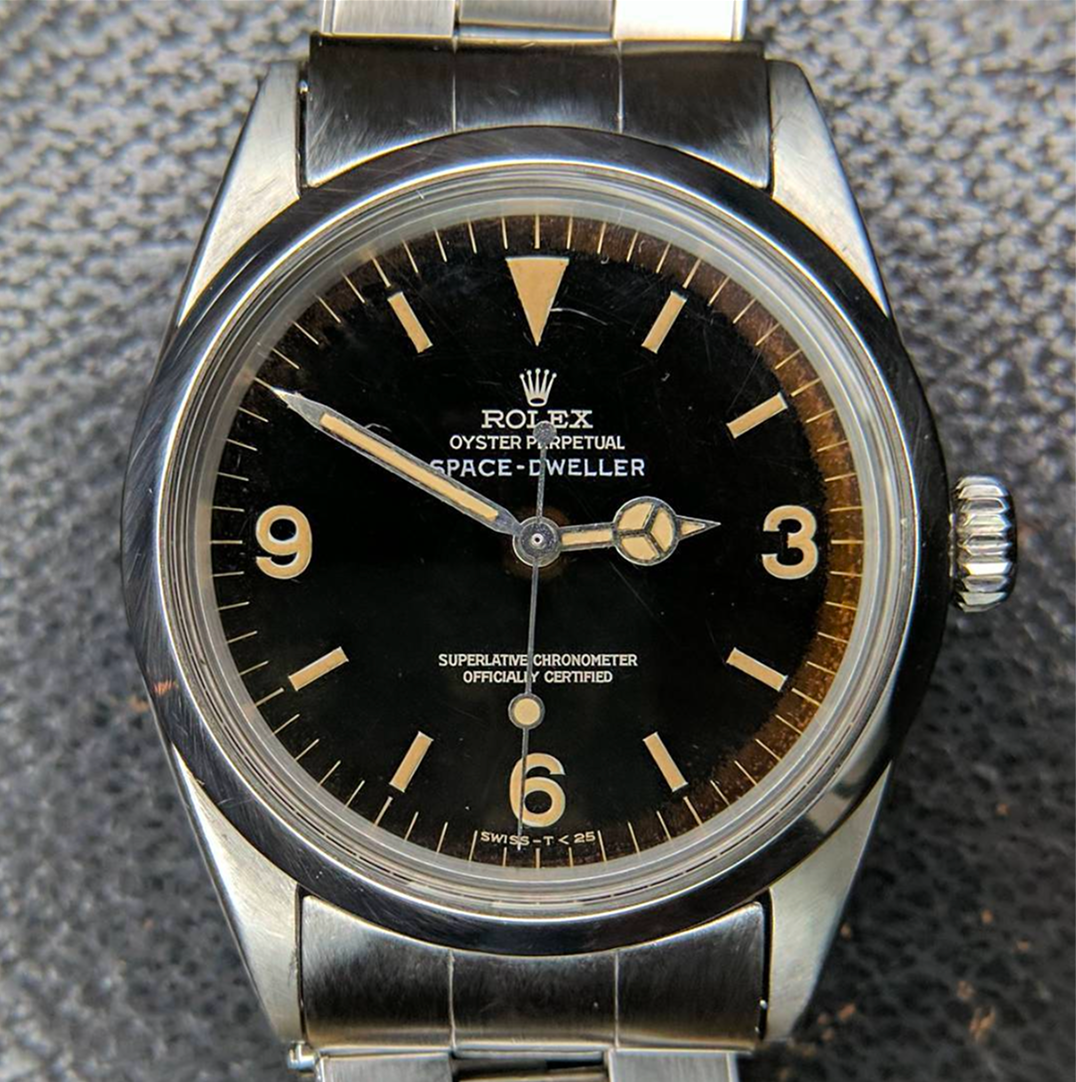
Rolex Space-Dweller 1016
What's the most meaningful piece in your collection and why?
A 1980s Vostok Komandirskie military watch passed down to me by my late uncle. He acquired it on a trip to Russia in the mid 1980s, a time when any items from the Soviet Union seemed especially rare and almost like contraband. The red Communist star on the dial is something I remembered and after he passed it was a very special experience to receive the watch, as it brought back a lot of memories.
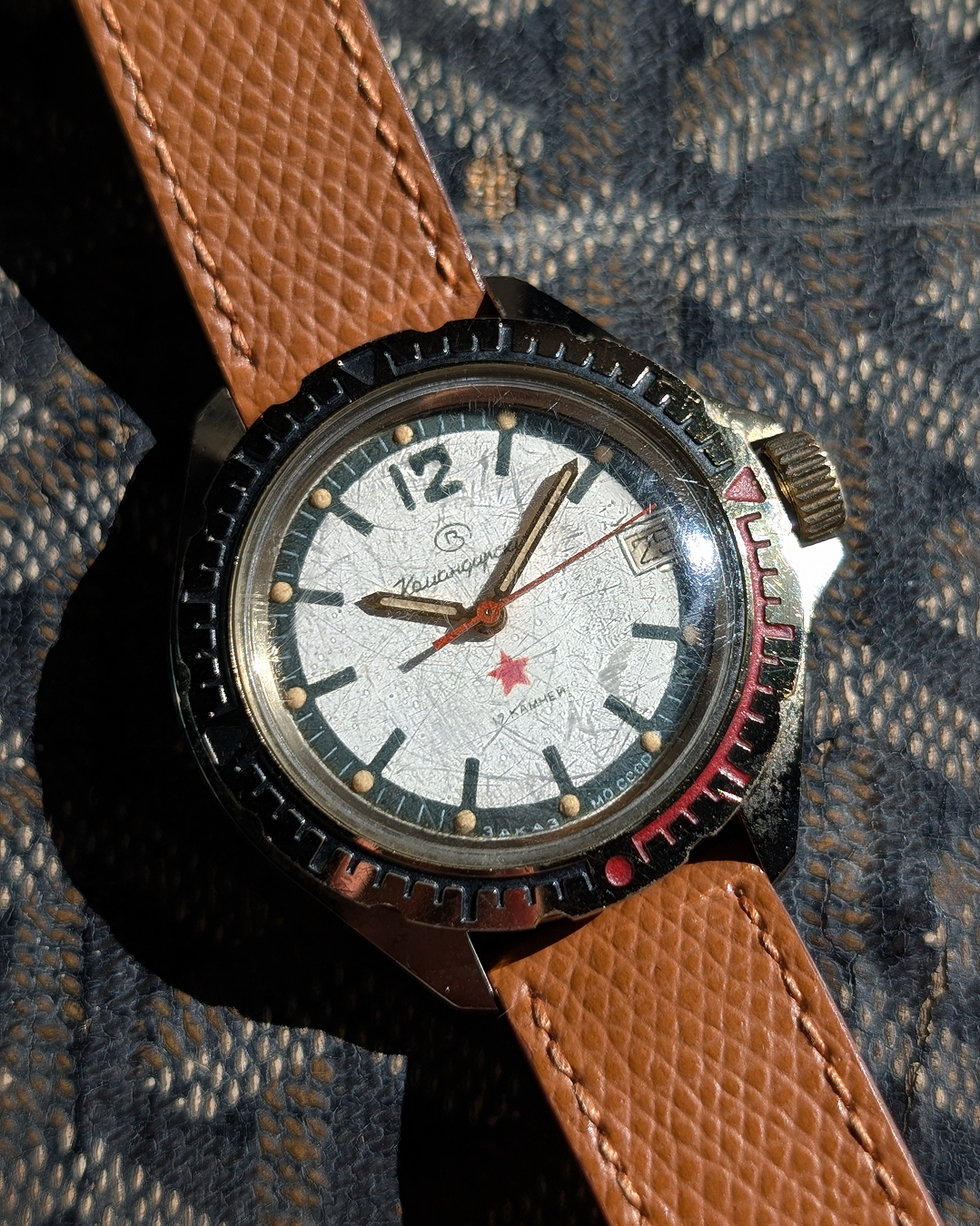
Vostok Komandirskie ("Commander"), circa 1980–1989
If you had to start your collection over from zero, where would you begin?
Honestly, a birth year (or around there) Rolex Submariner. I feel like there was a meme I encountered time and again in collectors' forums that people try lots of things but ultimately end up with a Rolex Submariner as "the one".
When I first started I wasn't far off, choosing a late 1970s Rolex Explorer 1016 as my first significant watch purchase. Early on and throughout collecting I avoided the Rolex Submariner because it seemed perhaps too commonplace or too obvious—almost as if it didn't signal enough that I was a collector because it is fairly ubiquitous. My early collecting journey was focused on rare pieces, hoping to be the guy to share something no one was likely to have seen before.
However, only very recently, I acquired my first Rolex Submariner, a 16800 transitional from 1984, and I feel like I finally get the meme having tried most of what there is to offer. It's really just a great all-around watch.
What else are you into beyond watches?
I like vintage Goyard trunks.
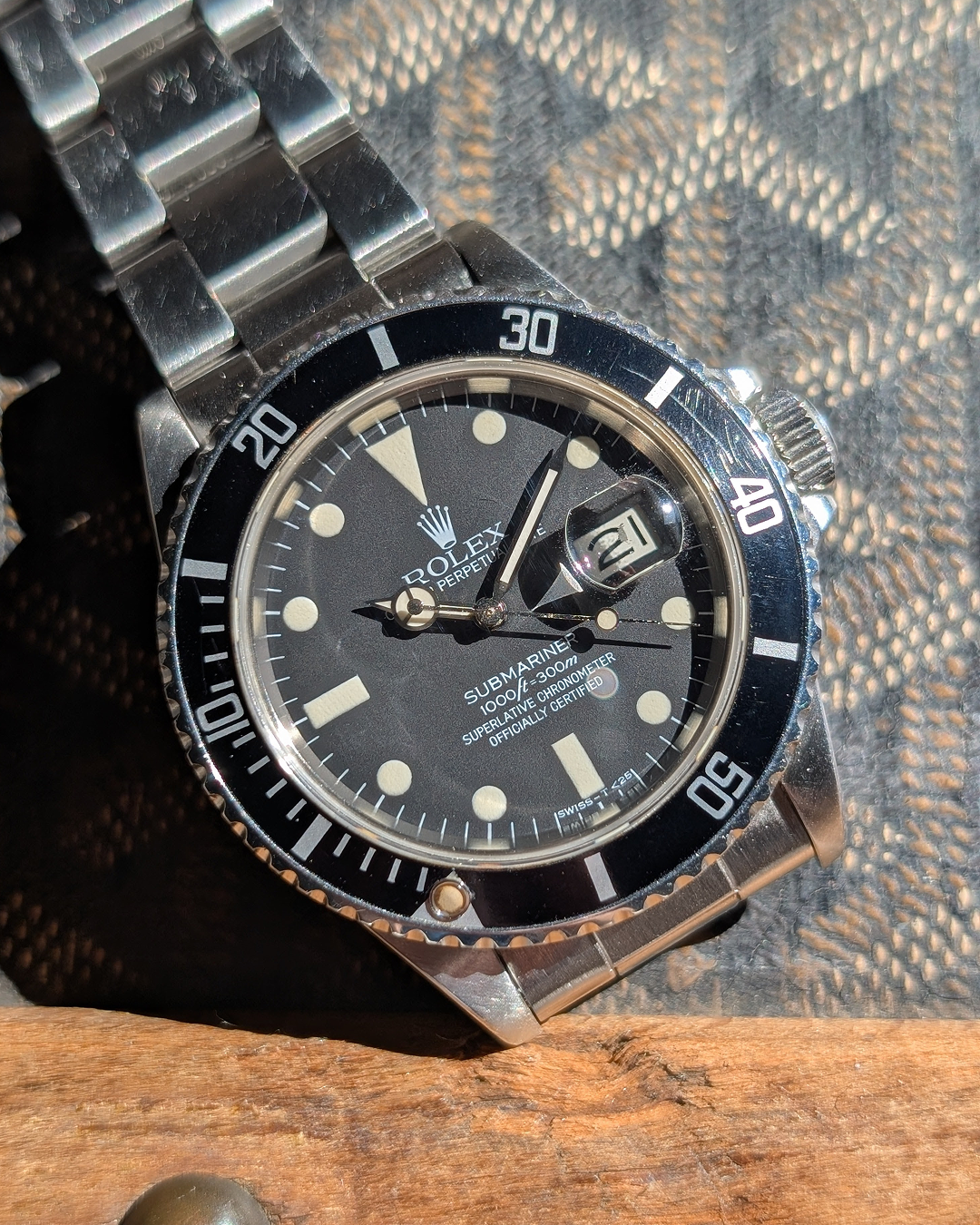
Rolex Submariner 16800, circa 1984
What do you look for when you're deciding who to buy from?
Most of the watches I have bought are fairly obscure and not likely to be seen for sale often, so I don't have a lot of choice when it comes to who I am buying from—oftentimes it's more important to be the first to take a shot at the opportunity to buy a rare find, taking a leap of faith, rather than vetting the seller.
For more relatively fungible purchases, I say "Buy the Seller." Look for transparency, responsiveness, and a willingness to provide specific details like photos of the movement or hands set to a specific time.
Tell us about a time you got burned:
I've lost a couple of watches to mail theft, where casual sellers in Europe shipped via snail mail and I received an empty box, the watch stolen in transit. But the most important lesson was when I got burned.
It was the proverbial "too good to be true" deal—a vintage blue Tudor Submariner for a price at less than half the market value, listed on a Panerai forum of all places—the seller seemed to have a US bank account so I got a false sense of comfort about that, and in believing I had the deal of a lifetime I rushed to get them the money with no diligence.
Knowing what I know now, I would have easily done a reverse image search and seen that photo was listed all over the internet. Today I view it as lesson that probably saved me a lot of money in the long run.
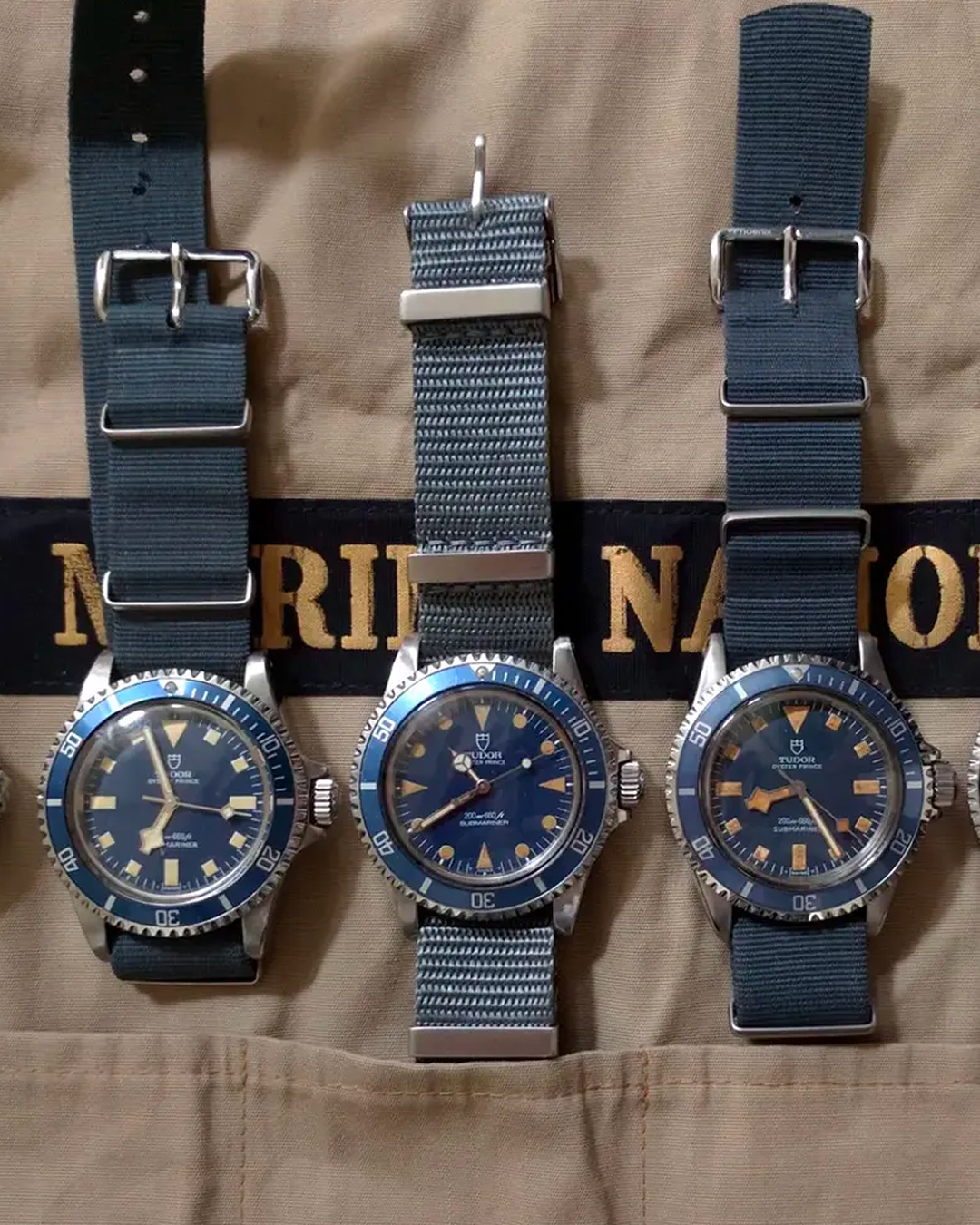
Left to right: Tudor Submariner 94010 M.N. 77 issued to the French Navy Diving School (École de plongée); 94010 M.N. 83 issued to a Mine Clearance Diving group operating out of the Mediterranean (3ème Groupe Plongeurs Démineurs); 94010 M.N. 1975 issued to the French Navy Diving School (École de plongée). All three have corresponding entries in the Registre of the famed M.N. watchmaker, Yves Pastre.
What's the biggest thing you've learned buying and selling watches?
The vast majority of watch collectors are good people and trustworthy, and they want to be trusted as much as you want to trust them. To that end, I love the opportunity to just get on the phone and talk with someone I am buying from or selling to—most often it leads to a great new friendship over our shared passion for watches.
On the buying side, when it comes to rare pieces, you have to have the willingness to pay more than something may be worth to snag it. Someone said "being willing to pay tomorrow's price today" and they are right that that is what it takes to get the good stuff.
On the selling side, I've learned that as much as we love these watches and know they have value, they just are not as liquid as we all wish they were (though Collected is changing that!), so plan ahead if you are counting on cashing these out—you might have a win or two, but most watches I've not made money on when selling—as a collector, I'm good with that, as I keep my average watch for 5+ years, so I feel like I get my money's worth if I sell it for less than I paid.
Who do you respect most in the watch world, and why?
I have a lot of respect for fellow collectors who have "learner's hearts" and are willing to share their niche expertise with others. Warm collectors like these are what got me hooked when I entered this hobby and made me feel like I found my tribe. Ross Povey, Tudor Collector, is that person for me.
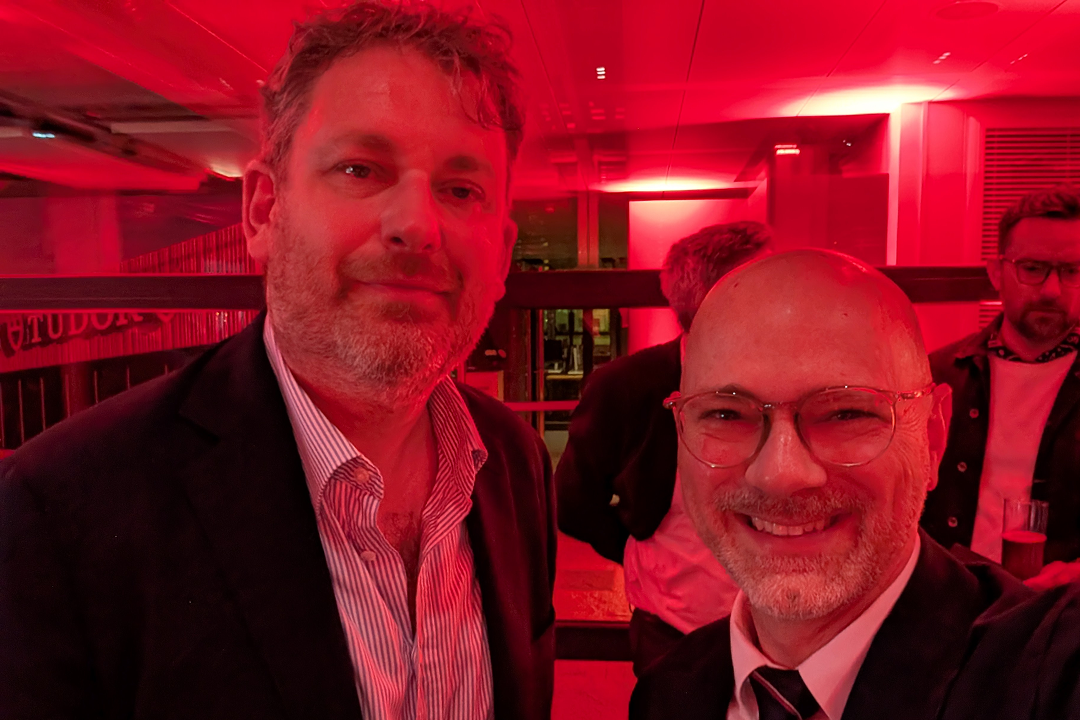
Ross and Scott at the Tudor Vintage Collector’s event in Geneva last April.
What would bring the excitement back to the watch community for you?
I think we need more Vintage Watch Fairs, especially in the US.
I'm encouraged by local collector meetups but think we could go bigger—not shows with sales as the focus, but ones that are primarily for collectors by collectors, the main goal being to see a bunch of cool watches in a safe a friendly environment.
Join Scott and a growing community of like-minded collectors for free on Collected.
